
Tokenization vs digitization: what actually changes in finance
Three things this article will leave you able to do
Explain how tokenization differs from digitization, in one sentence.
Walk a bond through before and after: eligibility, transfer, coupon, settlement, reconciliation.
Ask four questions of any platform, the same four a supervisor will eventually ask.
Emailing someone a bond prospectus does not make them an owner. You can send the same PDF to ten people. There is still one bond.
A token is different. It is the holding itself, on a ledger. When Token #123 moves from A to B, A no longer has it. You cannot photocopy it and claim a second claim. So tokenization is not “putting an asset on a blockchain.” It is representing an existing right, a bond, a fund unit, a deposit, in a form the infrastructure can record, check and move according to rules.
The economic asset usually stays the same. A tokenized corporate bond is still a loan to the issuer. What changes is the plumbing.
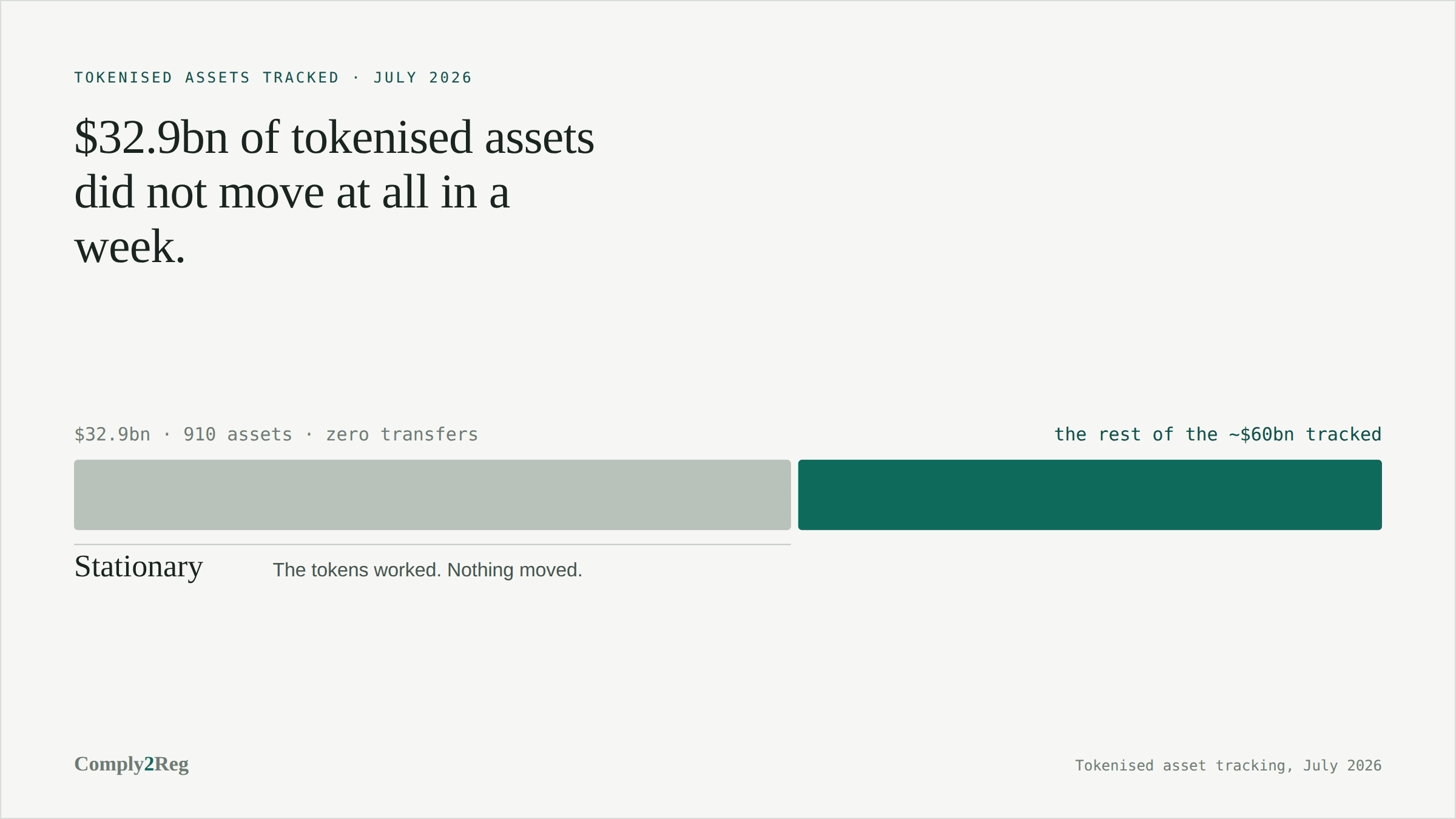
How is tokenization different from digitization?
Digitization put paper into systems. It left those systems apart.
Today a typical bond still travels as a relay:
Issue → trade → clear → settle → custody → reconcile
Clearing asks who owes what. Settlement asks whether the exchange actually happened. The bank, the custodian, the broker and the settlement system each keep their own book, then message each other until the books match. The Bank for International Settlements has treated that split, messaging, reconciliation and settlement as separate jobs, as a source of friction.
Tokenization tries to put more of the lifecycle on shared infrastructure: the asset, the rules, and, if the money is tokenized too, the payment. Not one public chain for all of finance. Fewer isolated ledgers. More of the lifecycle looking at the same record.
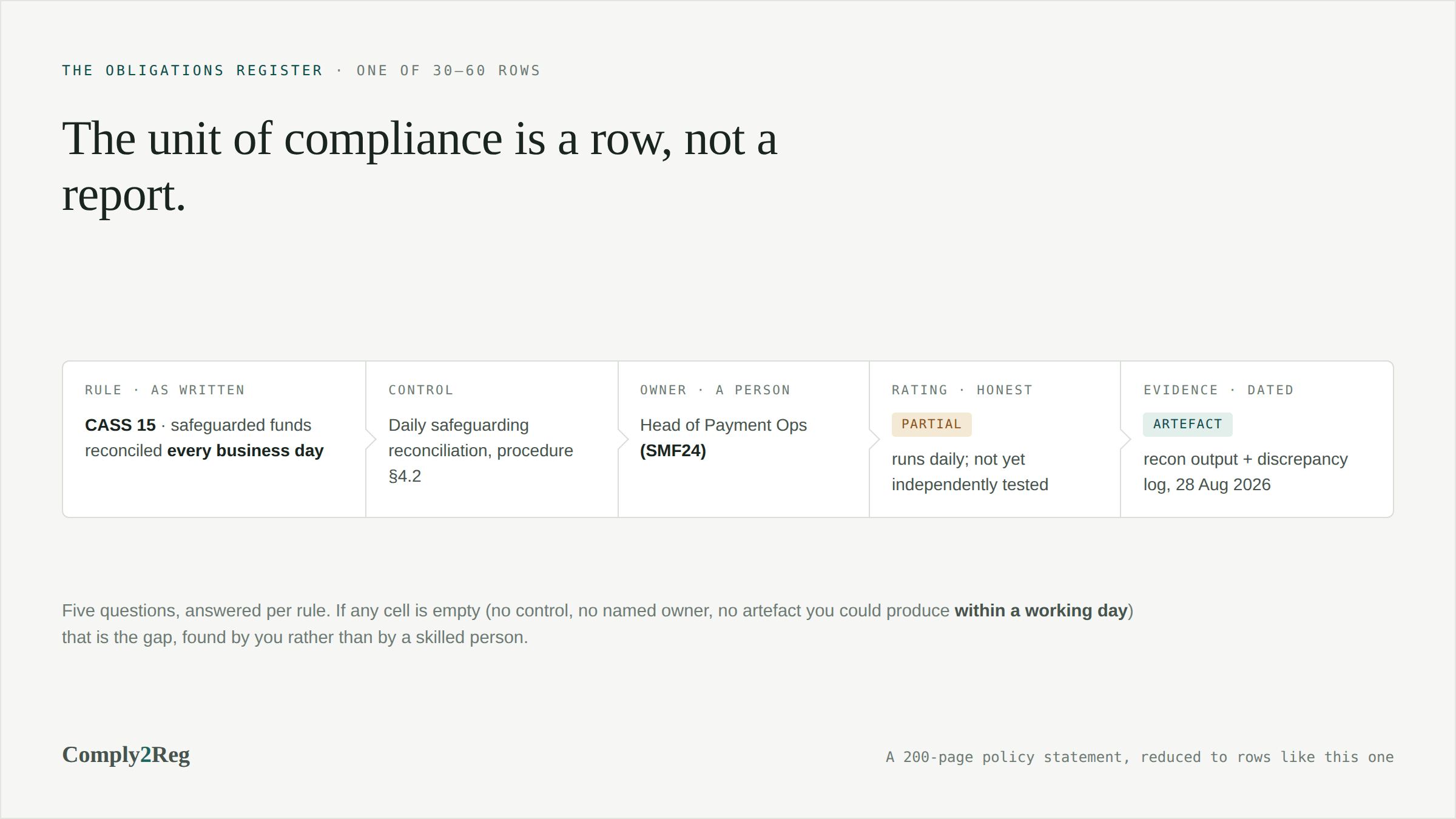
What actually changes for a bond?
People do not disappear. They stop re-keying the same deterministic step across five systems. They still design the rules and handle the exception.
A smart contract only does what it was told. If the rule is wrong, it will be wrong at speed.
What must be true before a token can move?
Speed is not the product. A token that can move to anyone is not more liquid. It is more illegal.
Before a tokenized asset can move, four questions need an answer:
Who is allowed to hold it?
Who is allowed to receive it?
Under what conditions can it transfer?
Can you prove all of that later?
Encoding those answers in a contract is not the same as knowing where they come from. Investor eligibility, transfer restrictions, sanctions, custody, market-abuse controls and record-keeping still come from the activity, the asset and the jurisdiction, not from the chain.
You do not regulate “blockchain.” You regulate issuance, custody, transfer, settlement, use and redemption. Each step in that life is a regulated activity.
And a UK–EU product doesn't hit one rulebook. In the EU, MiCA explicitly steps aside for anything that counts as a financial instrument, a tokenized bond stays under MiFID II, CSDR, and the DLT Pilot Regime. In the UK, the same instrument sits inside the existing regulated-activities perimeter, not the FCA's cryptoasset regime, which is built for unbacked crypto and stablecoins. There is no EU-wide tokenization license and no UK equivalent either, national law decides whether a ledger can even be the legal register, and Germany, France and Luxembourg have each answered that differently. A control that is enough in Frankfurt can still leave a gap in London.
If an auditor or a supervisor asks why a transfer was blocked, “the contract said so” is not an answer. The answer has to trace back to the obligation, the control, and the evidence that the control was in force at the time.
That is the part most tokenization decks skip. The technology can enforce a rule. It cannot keep the rule current, map it to your permissions, or produce the file when someone says “show me.”
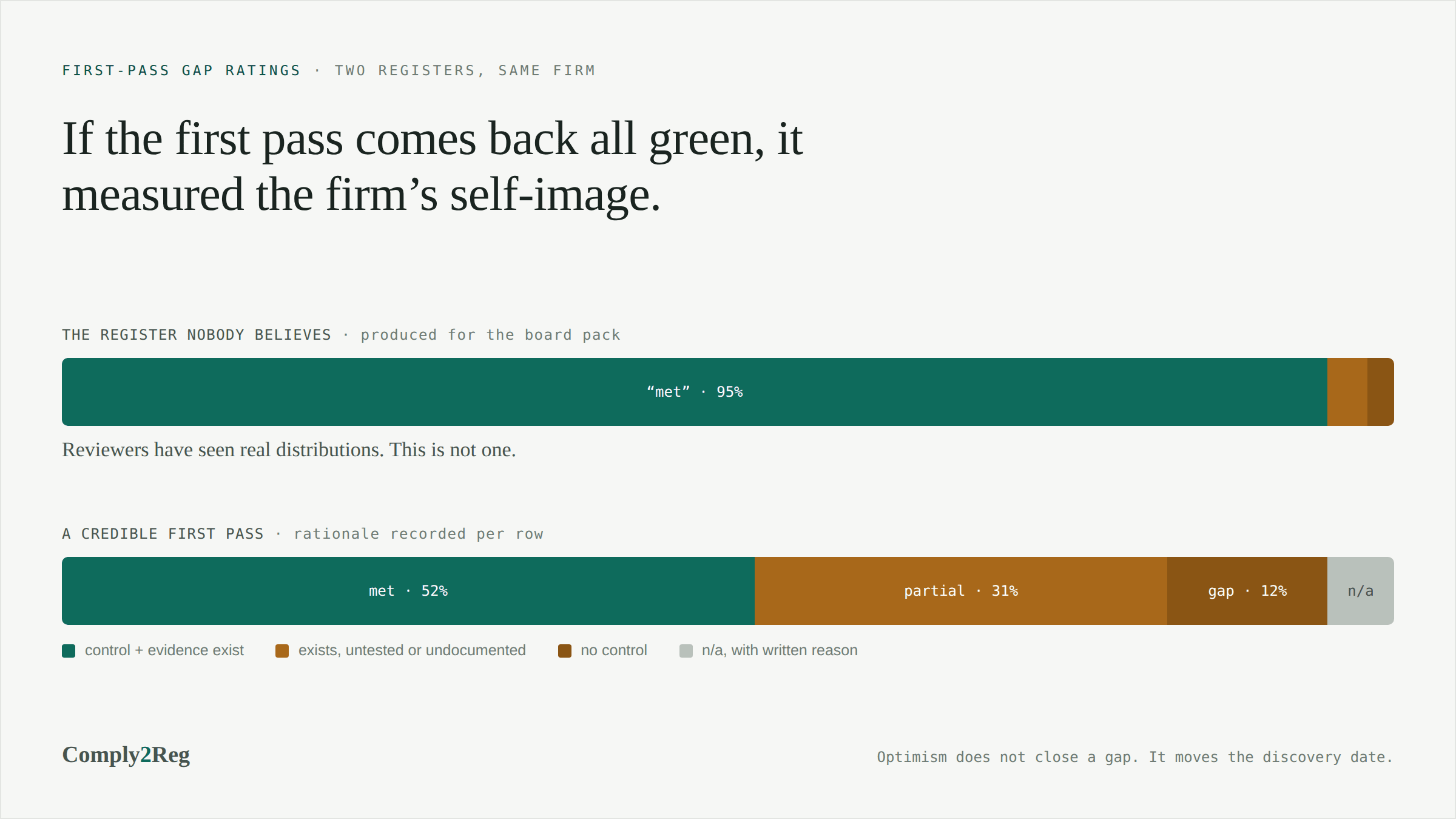
What is atomic settlement?
Settlement is the moment the deal is done: you get the bond, I get the money.
Today those two legs can travel through separate systems. One side can complete while the other is still in flight. Markets manage that risk with clearing houses, collateral and a lot of operational care. It works. It is not cheap.
Atomic delivery-versus-payment (DvP) is the version where both legs happen together, or neither does.
That only works if the asset and the settlement money live on compatible rails. A tokenized bond that still waits for a Monday-morning wire has not settled. It has a faster ownership record attached to a slower payment. This is why banks are testing tokenized deposits, why payment stablecoins are being treated as a cash leg rather than a trading token, and why central banks are testing tokenized reserves.
Project Agorá, convened by the BIS with seven central banks and more than 40 regulated institutions, showed that tokenized commercial-bank deposits and tokenized central-bank reserves can settle wholesale payments atomically across currencies. In July 2026, five of those central bank, the Bank of England, Banque de France, Bank of Japan, Bank of Korea, and the Swiss National Bank, completed real-value testing, settling live cross-border payments with 28 commercial institutions. The Bank of Canada has since joined.
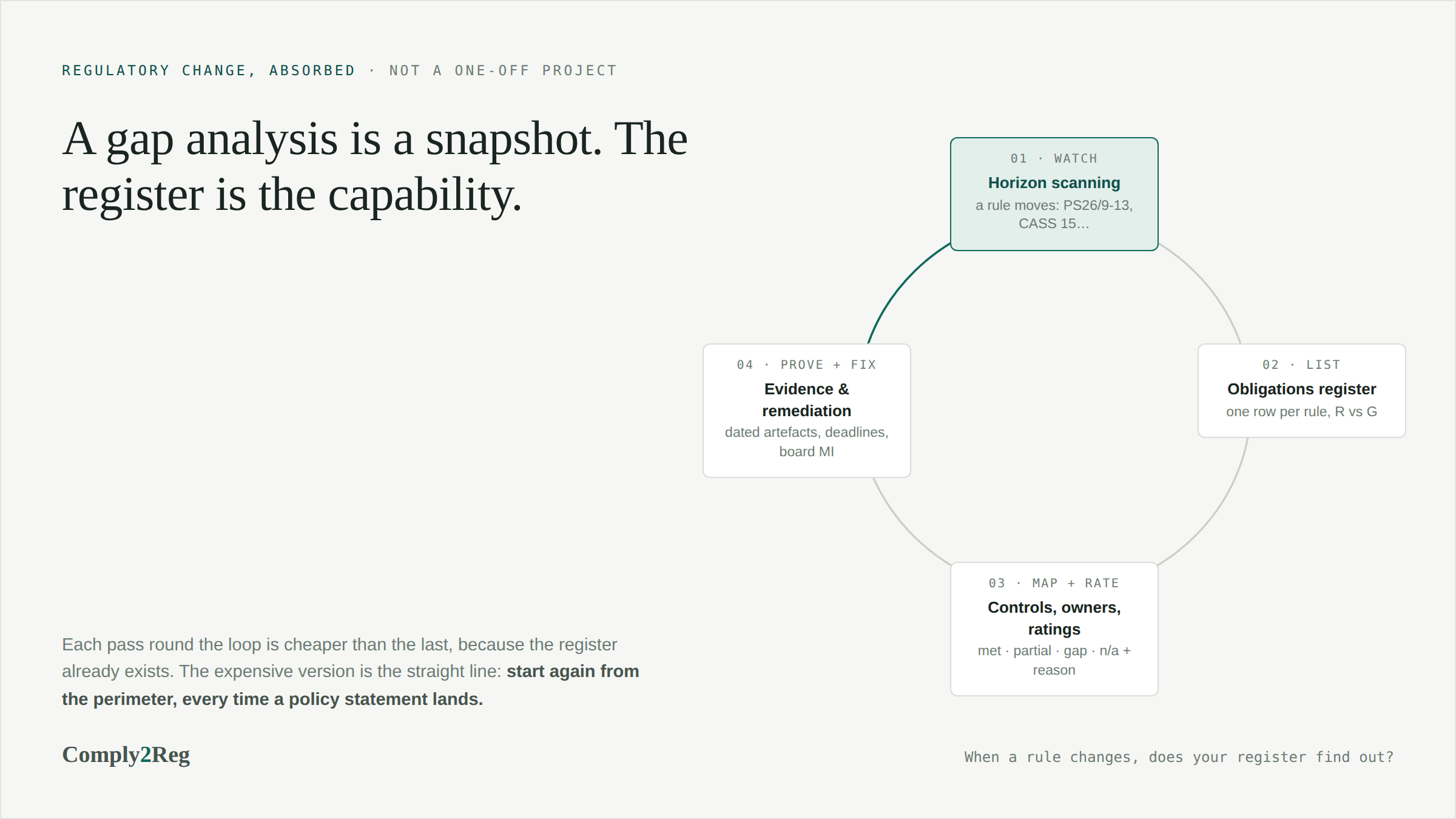
Where is tokenization already being tested?
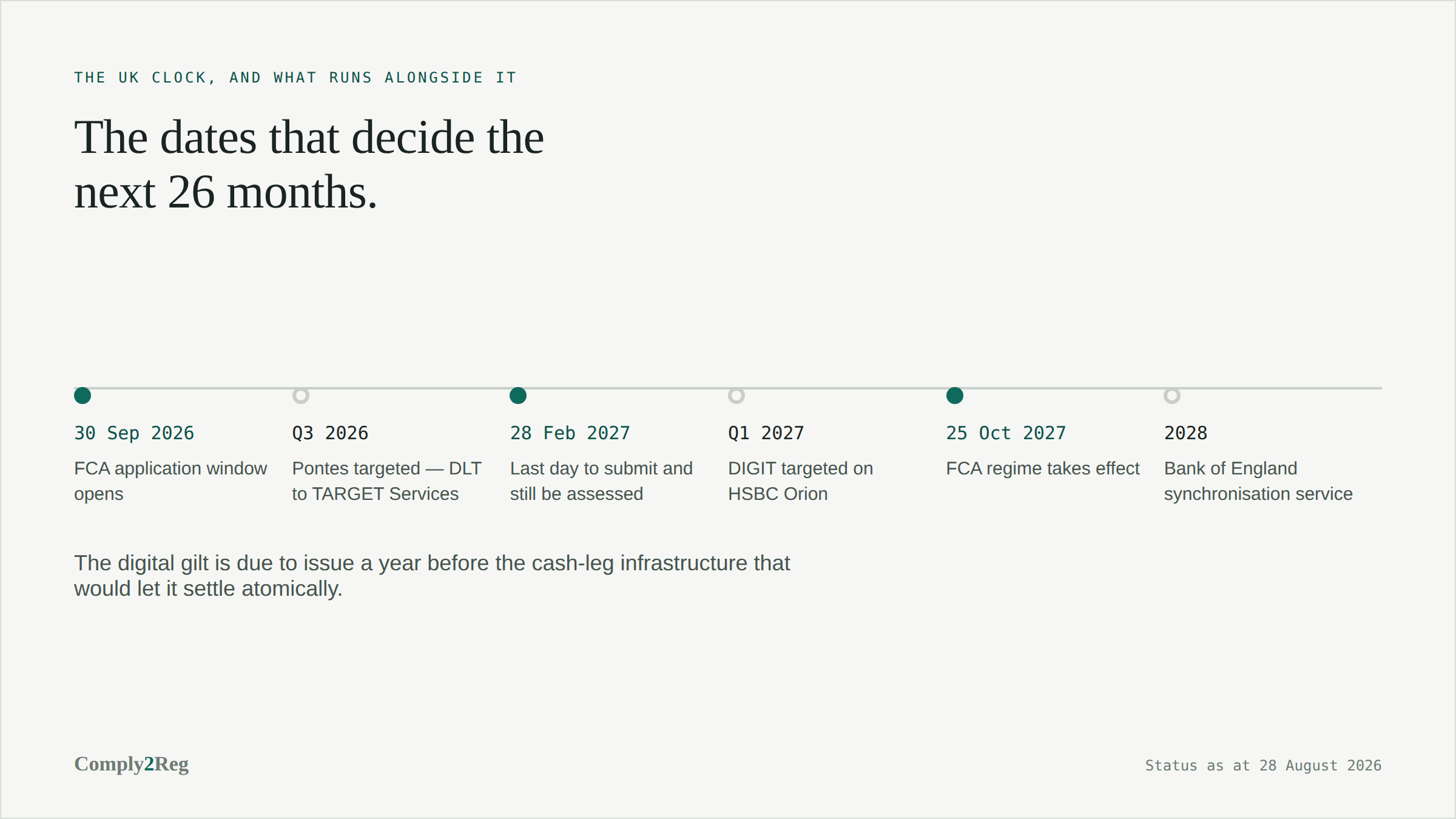
United Kingdom. DIGIT, a digital gilt, with a first transaction planned by Q1 2027 on HSBC’s Orion. HSBC and LSEG have agreed a link between depositories so investors are not trapped on one platform.
European Union. Pontes (planned Q3 2026) connects DLT platforms to TARGET Services so DLT trades can settle in central-bank money. Appia is the longer design for an integrated tokenized market.
United States. BlackRock’s BUIDL is a live tokenized Treasury fund. Subscriptions and redemptions typically use a stablecoin as the cash leg, not a wire. The token also cannot move to an unverified wallet, that restriction is why institutions can hold it.
Singapore. Project Guardian: fixed income, FX, private credit and on-chain funds, under MAS-led experiments.
India. As reported by Reuters in August 2026, state-owned REC is expected to pilot a tokenized corporate bond with wholesale CBDC settlement. One national test of the same pattern, not the story.
The question is no longer whether a token can represent a bond. It is whether this can run at market scale, under real obligations, with money that is trusted.
Does tokenization replace banks and custodians?
No. It changes what they do.
Routine eligibility checks, standard coupon runs, matching of records, and simultaneous settlement can be compressed. Governance, legal ownership, risk, exceptions and accountability cannot.
A custodian may hold keys, permissions and client-asset controls rather than only a securities record. A bank may issue tokenized deposits, sit as a node, and run controls that sit inside the transfer, not around it. A broker still finds buyers and applies conduct rules.
The IMF has described this as a reconfiguration of trust, settlement and risk, not a deletion of intermediaries. Technology does the predictable. Institutions remain on the hook for judgement, legal duty, and the file.
For compliance teams the question also moves. It is no longer only “is this customer allowed?” It becomes: is this transfer allowed, is this recipient eligible, does the contract actually enforce the restriction, who controls the asset, and which law applies?
What will stop this scaling?
A token does not create buyers. Liquidity needs a market, not a format.
Law still decides what the holder owns. If the ledger says one thing and the court says another, the court wins. Smart contracts, keys and bridges add code and cyber risk. The FSB has flagged reliance on custodians, oracles and bridges as new concentration points.
Then there is interoperability. Bank A issues on Network 1. Bank B holds clients on Network 2. Settlement sits on Network 3. If those networks cannot pass identity, rules and the asset, you have built new digital silos. Moving the bond then needs a bridge, a manual hop, or familiarly, reconciliation. Tokenization promised to reduce that. Isolated ledgers bring it back.
The UK’s DIGIT link and Europe’s Pontes bridge exist because people already see the silo problem.
What decides success is not the chain. It is whether networks can talk, whether the holder’s right is legally final, whether the cash leg is trusted money, and whether the rules that travel with the asset can be evidenced against the regulation that required them.
The future of finance is unlikely to be traditional markets replaced. It is the rails rebuilt: a shared record where isolation is expensive, automation where the step is the same every time, and institutions still accountable for everything that is not.
The token is the easy part.